
Describe it once
Instead of repeating the same story to multiple companies, you share the roof type, symptoms, and access details one time and get routed to a contractor who handles repairs.
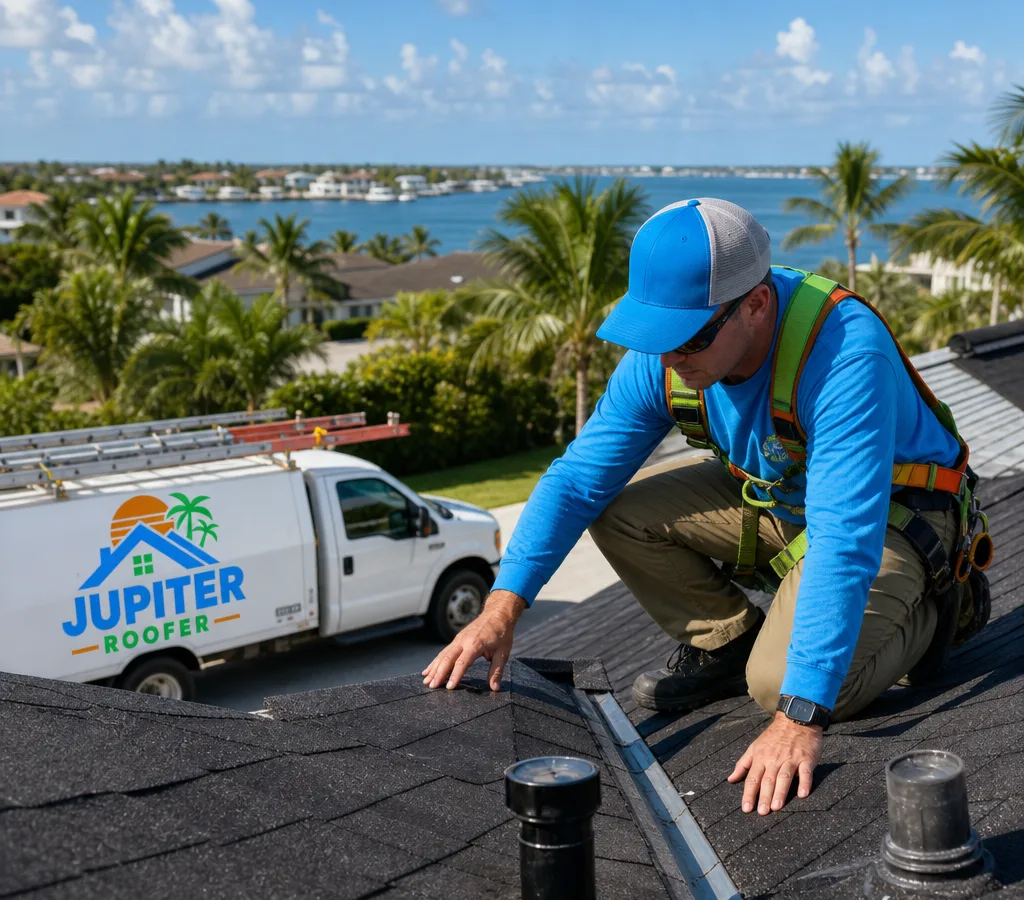
Describe what you're seeing once and we'll connect you with a local roofing contractor who handles repairs like this.
Roof repair in Jupiter usually means stopping water intrusion, replacing damaged roofing materials, and correcting the detail that failed—flashing, underlayment, fasteners, sealants, or drainage at valleys and transitions. A good repair is less about smearing sealant and more about finding the entry point, then rebuilding that small area the right way.
Along the coast, roofs take a beating from wind-driven rain, salt air, and intense sun. That shows up as lifted shingles, popped nails, cracked sealant at penetrations, and worn spots around roof-to-wall areas. After storms, damage can be obvious, but many leaks start small and travel before they show inside.
When you call Jupiter Roofer for roof repair in Jupiter, FL, the goal is simple: you explain the symptoms once—where the stain is, when it leaks, and what kind of roof you have—and we connect you with a local contractor who works on roof repair in Jupiter and nearby areas.
If you're still sorting out whether you need repair work or something bigger, it can help to talk it through with the contractor. Many homeowners start by describing the problem and getting a repair plan, then decide next steps after the roof is inspected. For a broader look at local roofing work and common problem areas in the region, consider roofing in Jupiter.
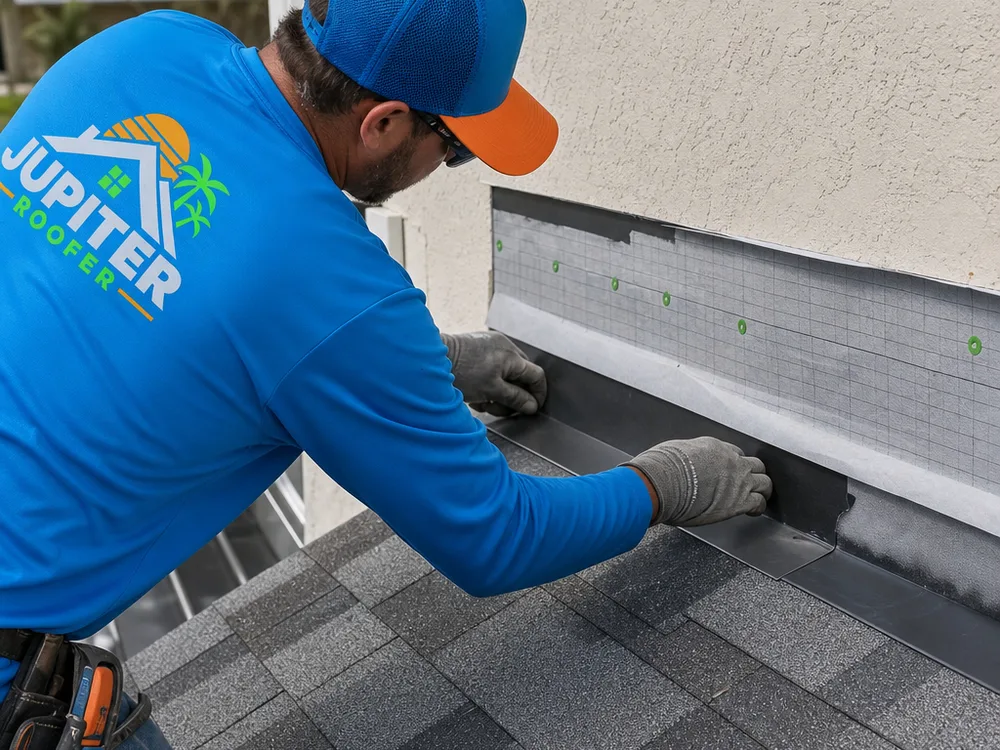
Instead of repeating the same story to multiple companies, you share the roof type, symptoms, and access details one time and get routed to a contractor who handles repairs.
Roof details vary by area and exposure. We focus on connecting you with someone who works in and around Jupiter, not a contractor hours away.
You speak directly with the contractor about options, materials, and scheduling, then decide whether to move forward.
A good roof repair starts with the leak path and the failed detail, not a generic pitch. Sharing what you've noticed helps the contractor narrow it down.
You can ask about debris control, landscaping protection, and magnet sweeping for nails before any work starts, especially around driveways and pool decks.
You describe what's happening—the leak location, when it shows up, roof type, and any recent storm impact. We use that to connect you with a contractor who handles roof repair in Jupiter, FL.
The contractor checks likely entry points first: penetrations, roof-to-wall flashing, valleys, ridge and hip caps, skylights, and prior patch areas. They may also look in the attic when accessible to trace water paths.
You'll hear what failed and what gets rebuilt. Depending on roof type, that can mean replacing shingles or tiles, resetting flashing, swapping a pipe boot, reworking a valley, or correcting a drip edge or transition detail.
Most repairs are localized. Materials are removed back to solid layers, then the area is rebuilt and sealed correctly. You can ask how the contractor protects landscaping, keeps walkways clear, and handles debris.
Before the contractor leaves, confirm what was repaired, what to watch for during the next heavy rain, and what warranty terms apply to the specific repair.
If you have a ceiling stain, dripping near a vent, missing shingles, or storm-related damage, describe the symptoms once and get connected with a local Jupiter roofing contractor who can inspect and propose the repair.
CALL NOW: (561) 468-6229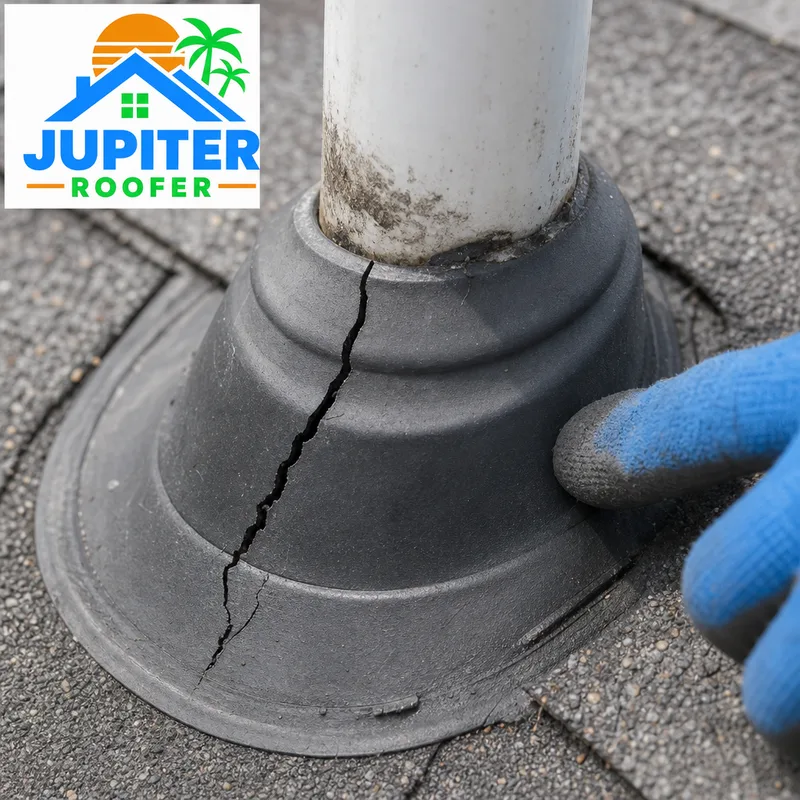
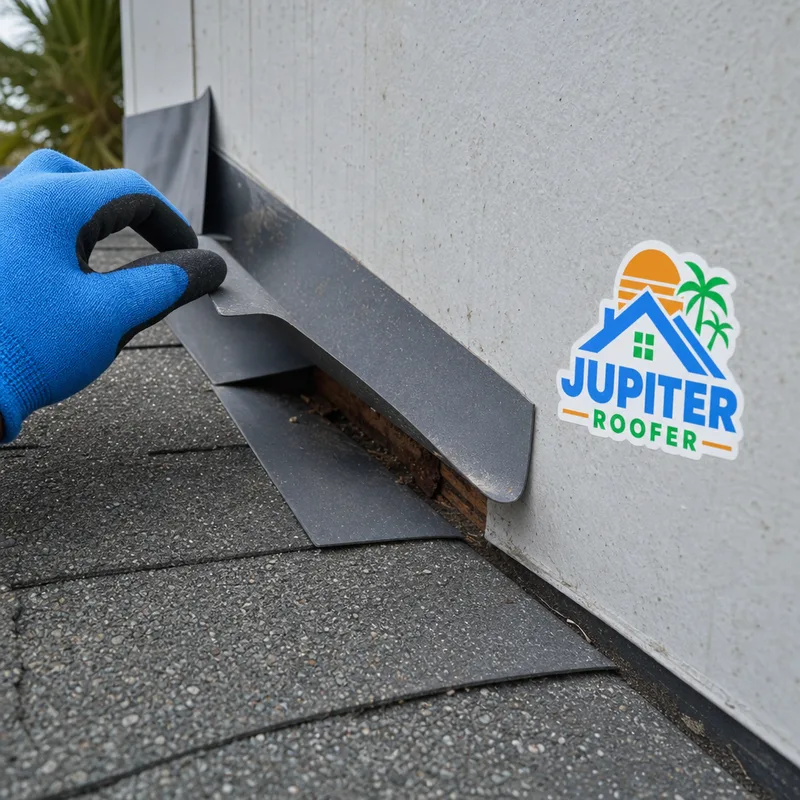
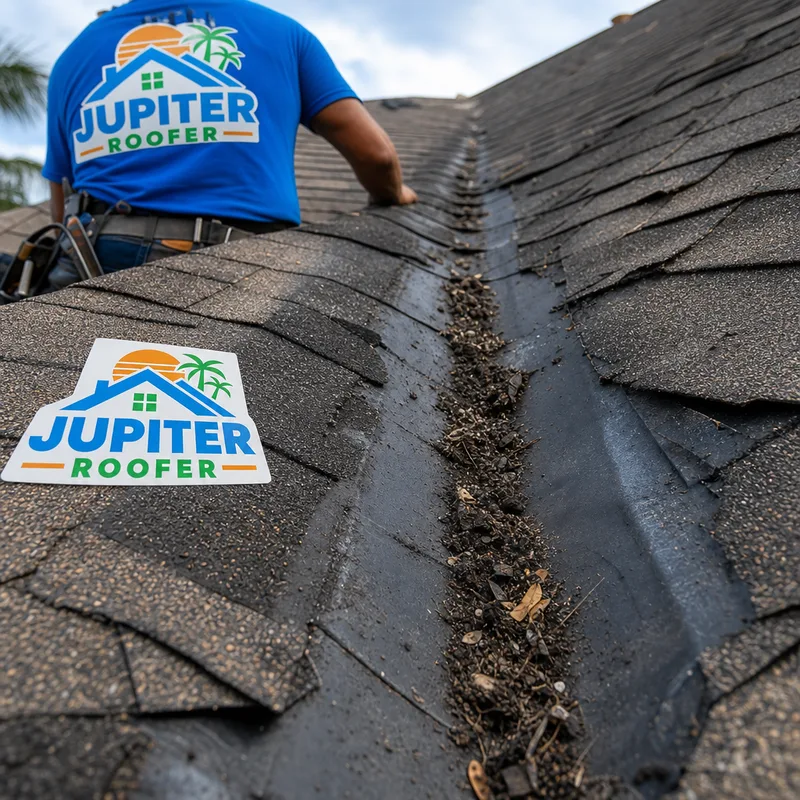
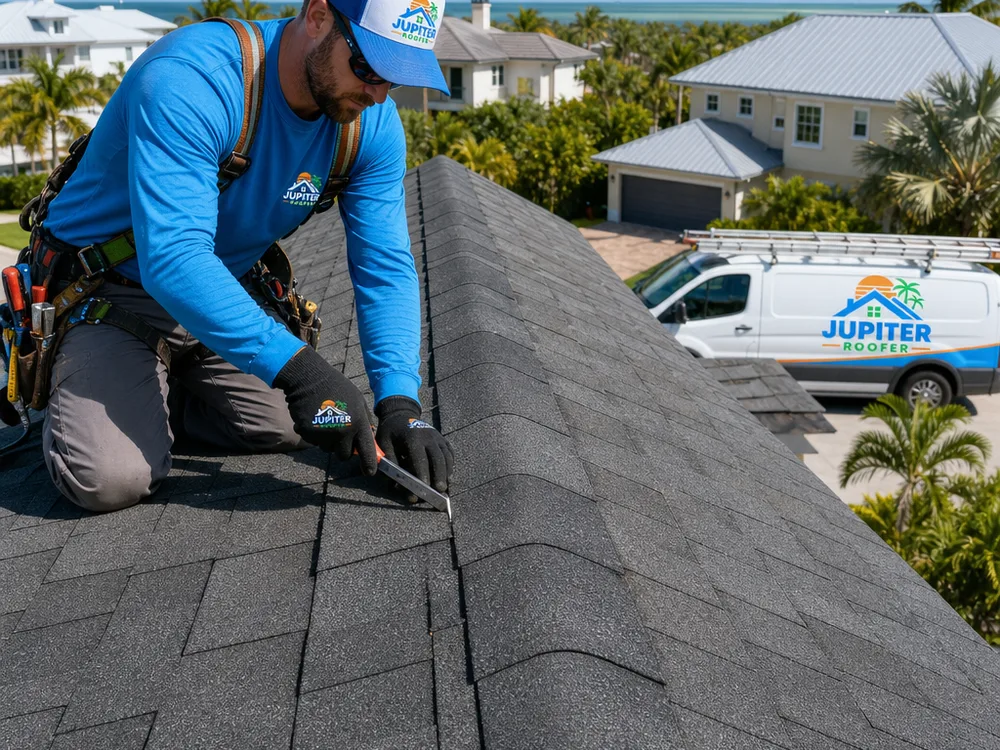
The leak entry point is often upslope from where you see water inside. Water can travel along underlayment, decking seams, truss members, or HVAC and plumbing paths before it drips onto drywall. Share where you see staining, whether it happens only during wind-driven rain, and whether it's near a chimney, skylight, vent, or exterior wall.
Have the roof material, approximate age, where the leak shows inside, and whether there was recent storm activity ready. Also mention anything already tried, such as tar patches or sealant, because that can change how the repair is approached.
Many repairs center on details rather than the field of the roof: replacing pipe boots, rebuilding roof-to-wall flashing, repairing valleys, replacing missing or creased shingles, resetting slipped tiles, and correcting prior patches. The contractor should explain what layer failed and what will be replaced versus reused.
Most roof repair work is localized to the failing detail and the surrounding courses needed to re-layer correctly. For shingles, that may mean lifting or removing several rows above the leak point. For tile, it can involve removing and resetting tiles to access the underlayment and flashings underneath.
A broken or displaced tile can be the symptom, but tile roofs often leak at underlayment failures, flashing issues, or penetrations. The contractor will usually check flashings and underlayment around the leak area, not just the top surface.
Matching depends on the existing product, its age, and whether the exact profile and color are still available. The contractor can explain what match options exist and whether a close match is realistic. For older roofs, the repair can still be watertight even if the color blend is not perfect.
You call and describe the roof problem once, and we route that information to an independent local contractor who takes on roof repair work in the Jupiter area. You then speak directly with the contractor about inspection details, repair options, and next steps.
Explain where you're seeing water, missing materials, or storm damage, and we'll connect you with a local contractor who can inspect, walk you through repair options, and let you decide what to do next.
Our local contractors cover Jupiter and nearby communities within roughly a 10-mile radius — including Juno Beach, Jupiter Island, Tequesta, Jupiter Farms, Abacoa, and The Bluffs.