
Flashing at walls and chimneys
Loose counterflashing, failed sealant, or missing step flashing can let water in where the roof meets vertical surfaces.
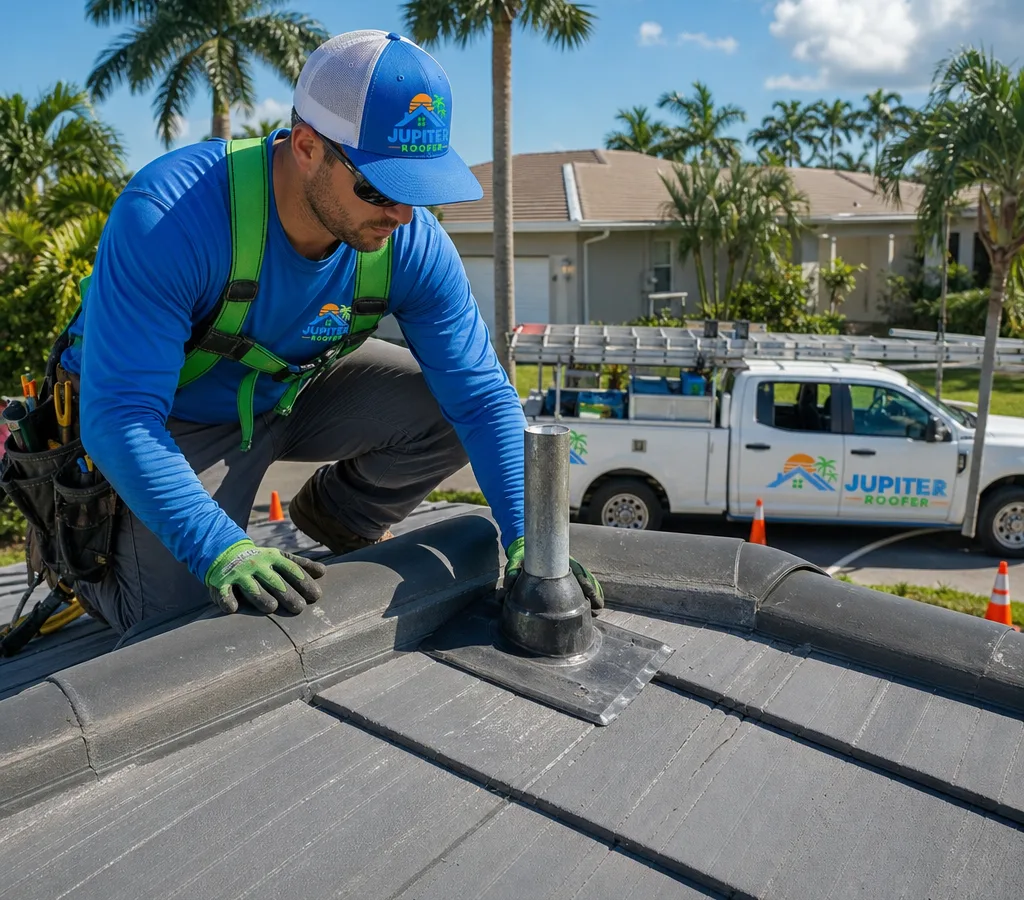
Describe what you're seeing once and we'll connect you with a local contractor who can find the leak source and handle the repair.
Roof leak repair in Jupiter usually starts with one goal: track where water is getting in, not where it shows up inside. Water can travel along underlayment, decking, rafters, and even wiring before it reaches a ceiling spot.
A contractor typically begins by narrowing down the leak type:
In coastal South Florida conditions, wind-driven rain can push water upward and sideways at roof transitions. A useful inspection therefore focuses on edges, intersections, and penetrations instead of only the field of shingles.
If you're still deciding who to call, roofing in Jupiter is often easiest when you can describe the symptom once and get connected with a contractor who handles leak tracing and repairs regularly.
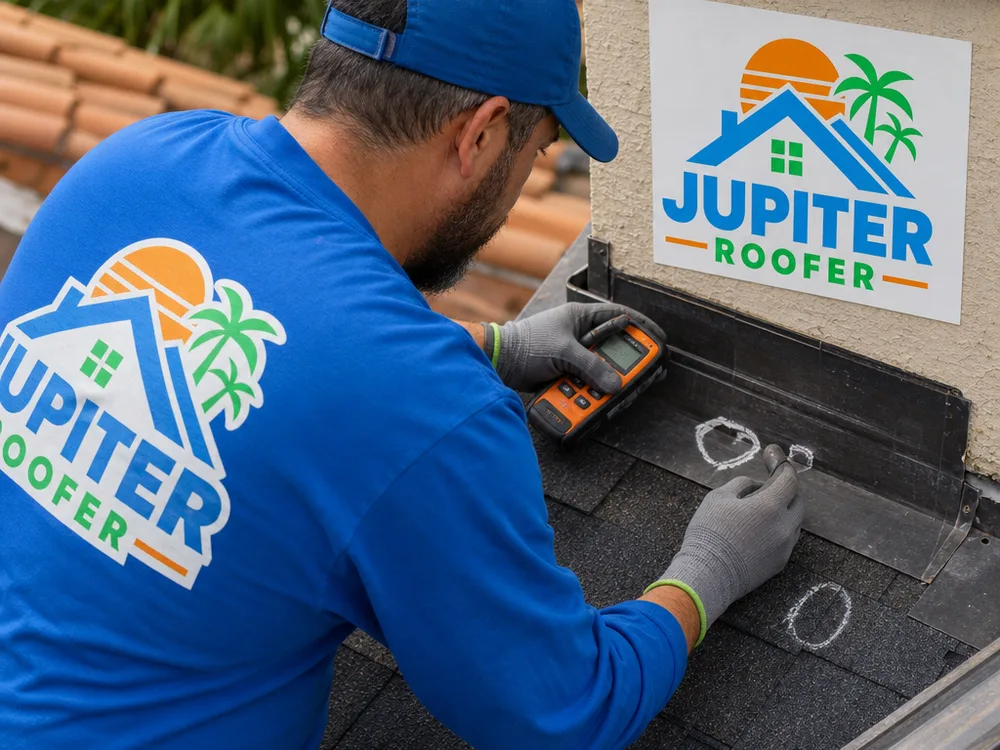
Loose counterflashing, failed sealant, or missing step flashing can let water in where the roof meets vertical surfaces.
Cracked rubber boots, lifted collars, or poorly sealed fasteners around vents, fans, and pipes are frequent entry points.
Valleys collect high water flow. Debris buildup, worn metal, or incorrect weaving can send water under the roofing.
Lifted tabs, missing shingles, exposed nails, or improperly placed nails can create a path under the shingle layer.
Leaks can come from flashing details, not the skylight glass. The curb, corners, and fasteners matter.
Share where the leak shows up, when it happens—heavy rain, wind, or only after long storms—and any attic observations. We use that to connect you with a local contractor who handles roof leak repair in Jupiter.
The contractor may check attic decking for darkened wood or wet fasteners, then verify roof penetrations, flashing lines, valleys, and shingle condition above the interior symptom.
Where the source is not obvious, the contractor may isolate sections and check likely water paths around transitions and penetrations to confirm the entry point.
Repairs can include replacing damaged shingles, reworking flashing, resealing penetrations, replacing a vent boot, or correcting a valley detail. The goal is to fix the actual pathway, not just the stain.
Ask what was found, what materials were replaced, and what areas were checked around the leak source. If interior drywall was affected, it may need to dry before patching and repainting.
If you have an active drip, a growing ceiling stain, or attic moisture, describe the symptoms once and get connected with a local roofer who can trace the source and talk through repair options.
CALL NOW: (561) 468-6229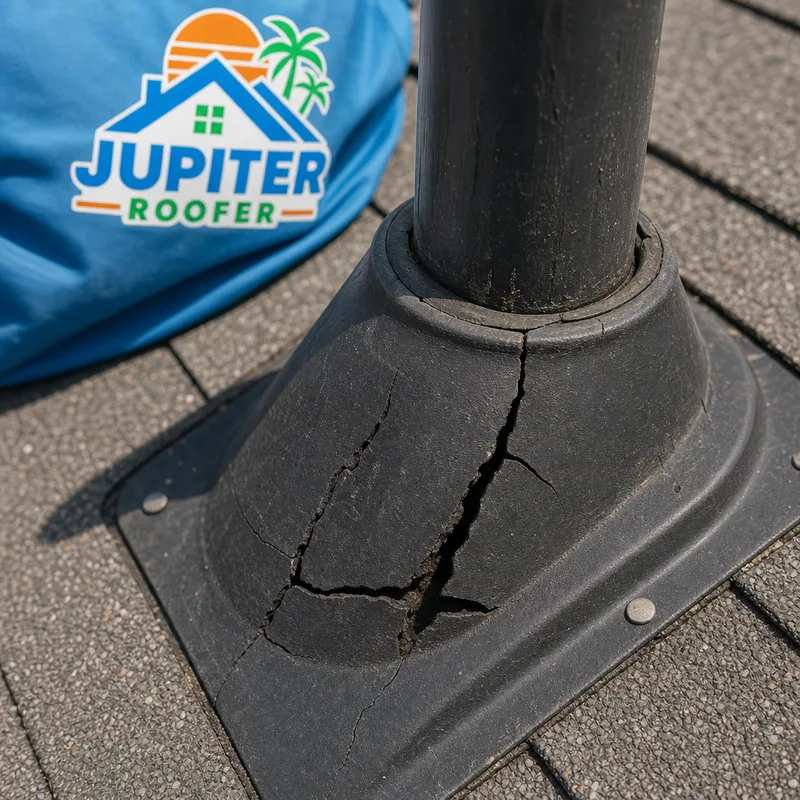
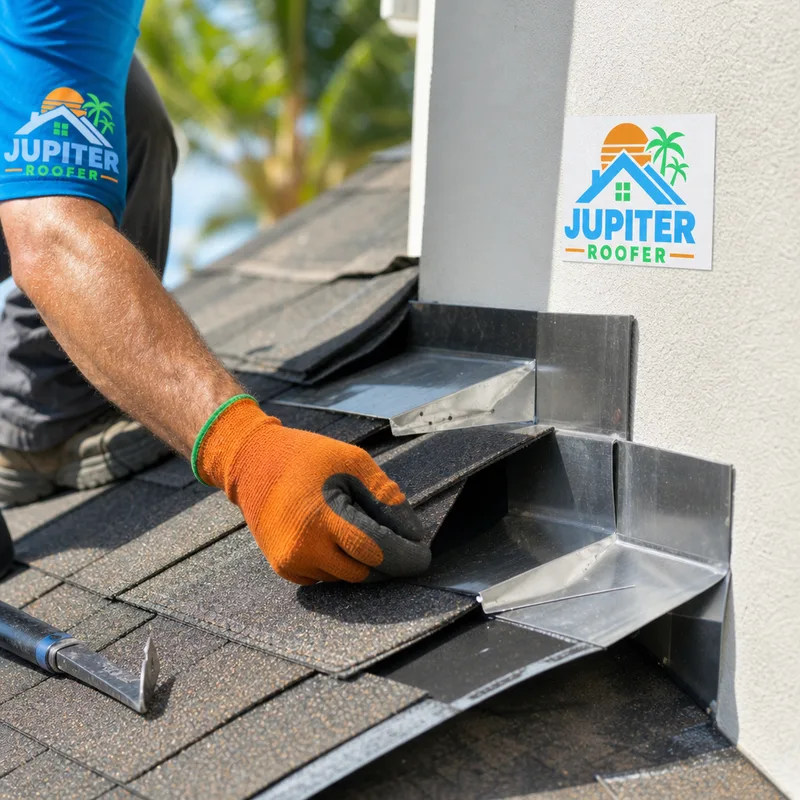
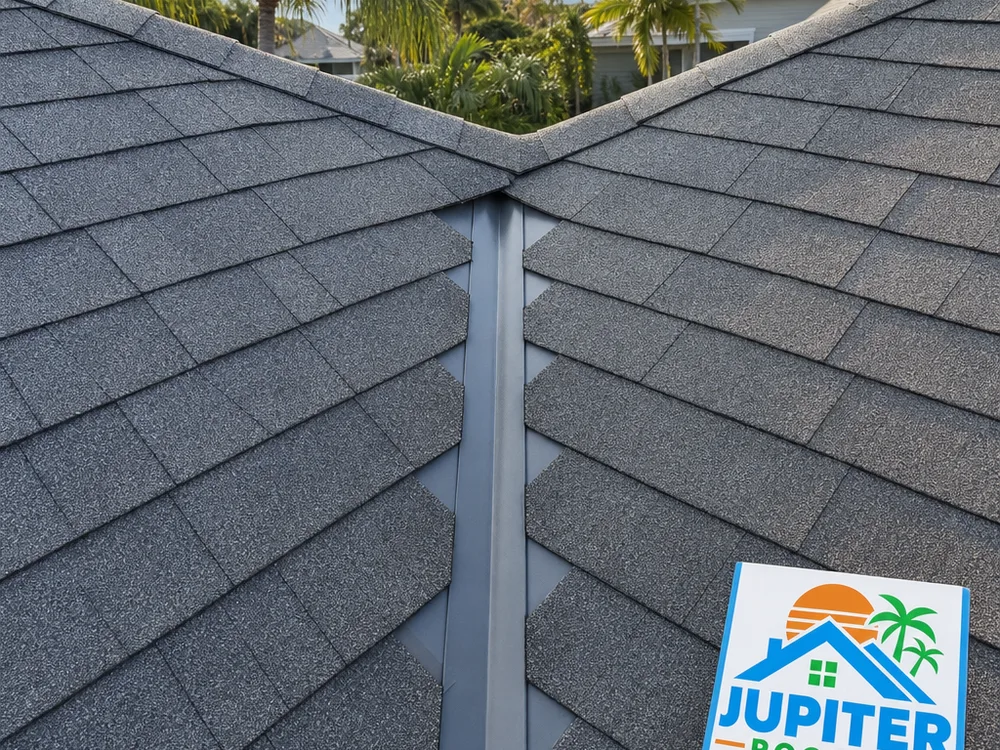
A roofer traces the likely water path by checking the attic, when accessible, and the roof areas above and upslope of the interior symptom, focusing on penetrations, flashing, valleys, and transitions. In Jupiter, wind-driven rain makes intersections and penetrations especially important because water does not always travel straight down.
The most helpful details are when the leak happens, where it shows inside, whether you've seen attic moisture, and what type of roof you have—shingles, tile, or flat or low-slope. If you can safely take photos of the ceiling stain and the exterior roof area above it from the ground, that can also help narrow the likely entry points.
No. A stain can come from plumbing, HVAC condensate lines, or a bathroom vent duct issue, but the pattern and timing often point toward the right trade. If the stain grows after rain or during wind-driven storms, a roof leak is a common cause and a roofer can check typical entry points first.
Many shingle roof leaks start at flashing, pipe boots, valleys, skylights, or other roof penetrations rather than in the open shingle field. Shingles shed water well on their own, but details and fasteners around transitions are where water can find a pathway under the system.
Many leaks are repaired by addressing the specific entry point, replacing a small area of damaged material, or reworking a flashing detail. The contractor can explain whether the roof has localized damage or broader wear that makes repeated leaks more likely, then you decide how to proceed.
You call, describe what's happening, and we connect you with an independent local contractor who handles roof leak repairs. You speak directly with the contractor about what they found, what they recommend, and the terms before any work moves forward.
Call and describe the drip or stain once. Jupiter Roofer will connect you with a local contractor who can track the leak source and explain the repair plan before you decide on next steps.
Our local contractors cover Jupiter and nearby communities within roughly a 10-mile radius — including Juno Beach, Jupiter Island, Tequesta, Jupiter Farms, Abacoa, and The Bluffs.