One call to reach the right roofer
Instead of calling multiple installers, describe your roof once. We connect you with a local contractor who handles metal roofing work in the Jupiter area.
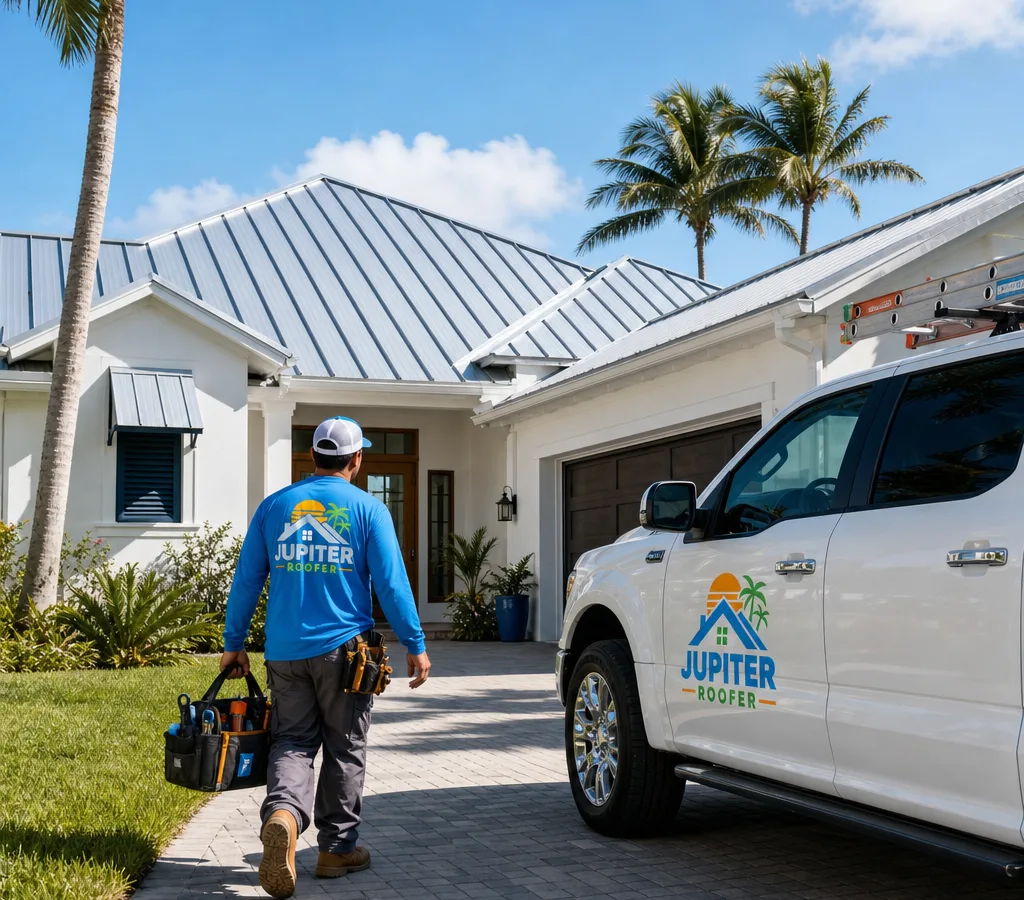
Describe your roof once and we will connect you with a local contractor who installs and replaces metal roofs in the Jupiter area.
Metal roofing in Jupiter, Florida usually means one of two projects: replacing an older roof with a new metal system, or installing metal on a new build or addition. Either way, the job is more than swapping panels. The contractor has to confirm the roof structure, how water will shed, and how the metal system will be attached so it performs through heavy rain, salt air, and high winds common along the coast.
A typical metal roofing scope may include:
In Jupiter, a good installer also plans around local code and inspections. Roofing permits and inspections are generally handled through the local building department that has jurisdiction for the property, and the contractor can tell you what is required for your address.
If you are comparing options, it helps to separate the look from the system. Many performance problems people blame on “metal” are really flashing details, underlayment choices, or how penetrations were handled.
If you are still deciding whether a metal roof is the right move, it can help to compare it to asphalt. Start with the broader roofing picture, then return to the metal-specific questions when you speak with the contractor.
Instead of calling multiple installers, describe your roof once. We connect you with a local contractor who handles metal roofing work in the Jupiter area.
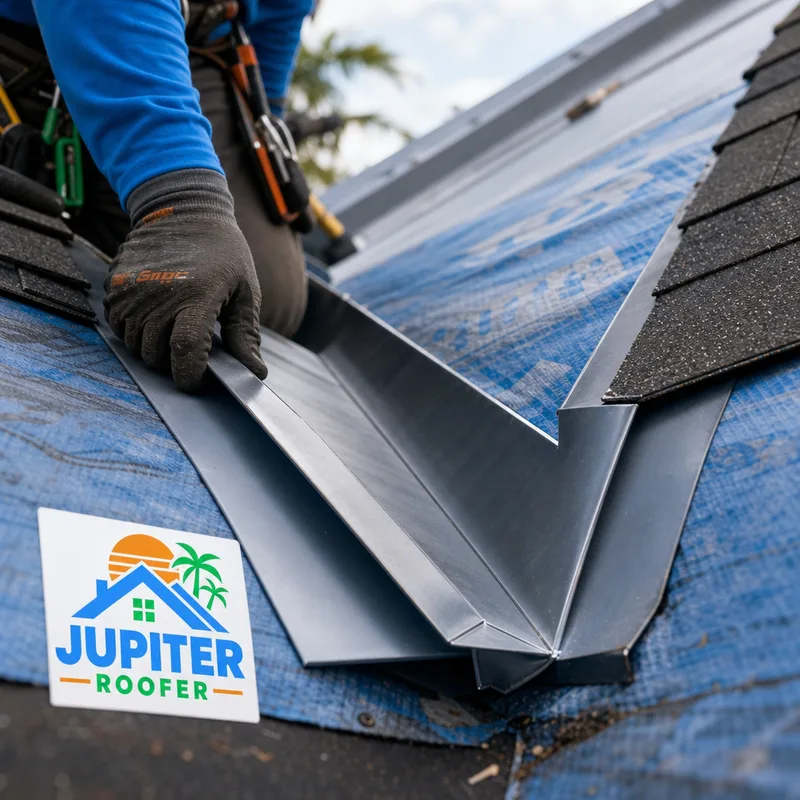
Metal systems rely on specific fastening and edge details. The contractor will match panel type, clip or fastener pattern, and perimeter flashing to the roof geometry and local code requirements.
Because metal sheds water quickly, valleys, gutters, and downspouts matter. Expect the contractor to look closely at where water concentrates and how it leaves the roof.
Standing seam gives a clean, linear look. Metal shingles and exposed-fastener panels offer different appearances and detail requirements. The right choice depends on slope, overhangs, and penetrations.
In salty air, coatings and metals matter. Contractors often discuss aluminum versus steel and the finish system so you understand how the roof is expected to hold up near the ocean.
Mention the property type, roof shape, and what is prompting the project, such as age, leaks, an insurance requirement, or a remodel. Photos are useful but not required to start the conversation.
You speak directly with a contractor who can take the job. They may ask about roof access, the approximate age of the current roof, and whether you prefer standing seam or another metal profile.
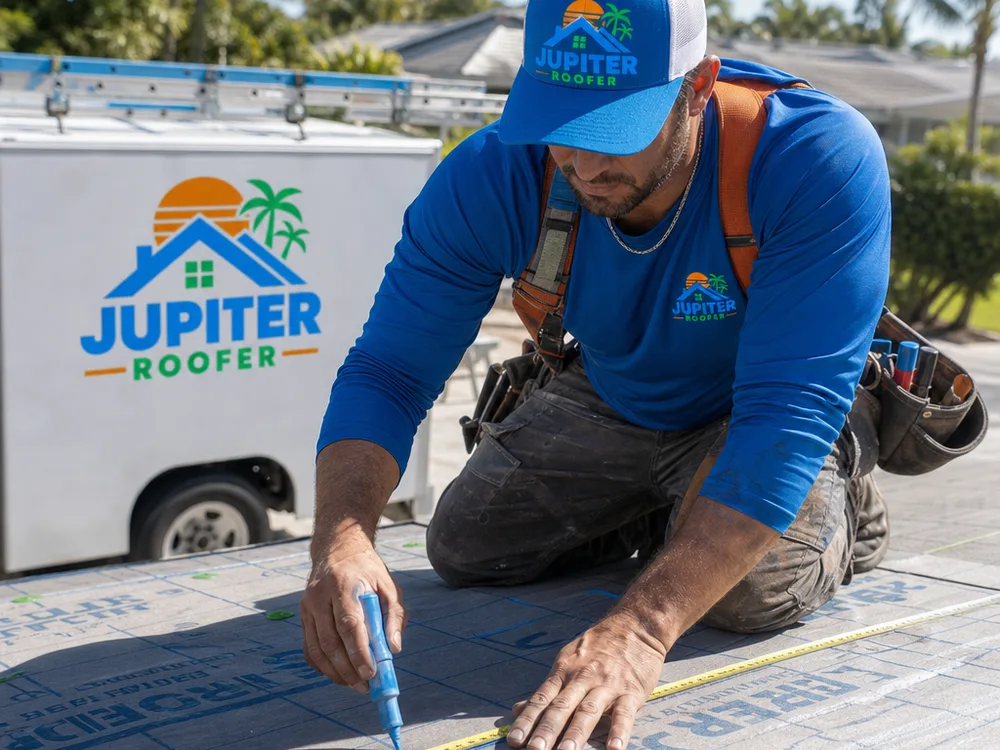
A proper roof evaluation includes measuring planes and valleys, checking flashing transitions, and identifying ventilation or deck issues that need attention before panels go on. The contractor explains the metal system, underlayment, and flashing approach they recommend.
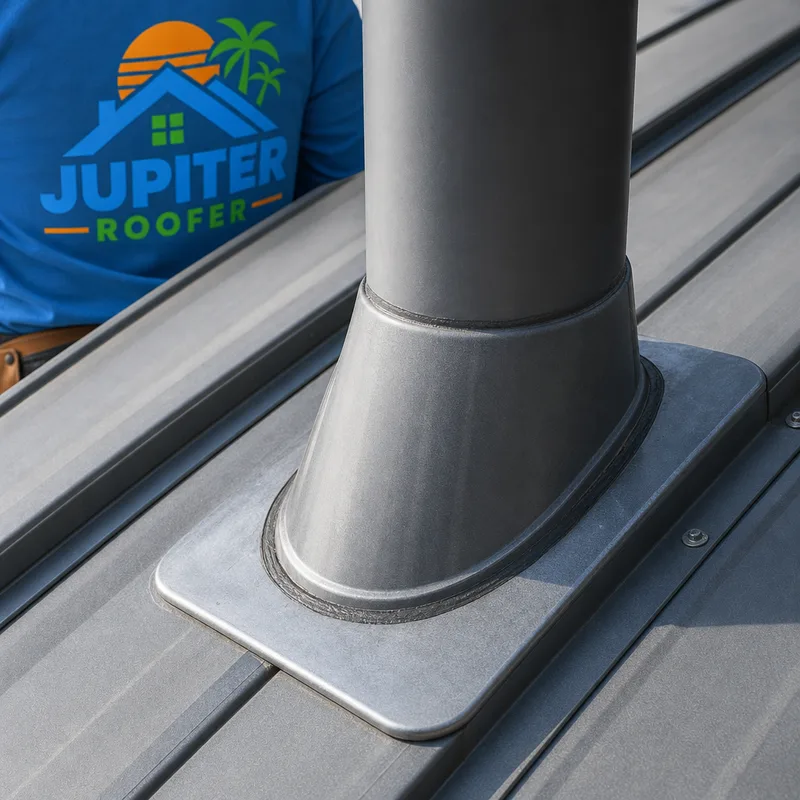
Roof replacement is typically a multi-day job depending on size, complexity, and weather. The contractor handles the work plan, material staging, and the details that prevent leaks at penetrations and edges.
At the end, ask what to look for after big storms, how debris should be cleared from valleys, and what warranty terms apply to the materials and workmanship for the system you chose.
If you are looking into metal roofing in Jupiter, Florida, describe your roof once and get connected with a contractor who installs the type of metal system you are considering.
CALL NOW: (561) 468-6229
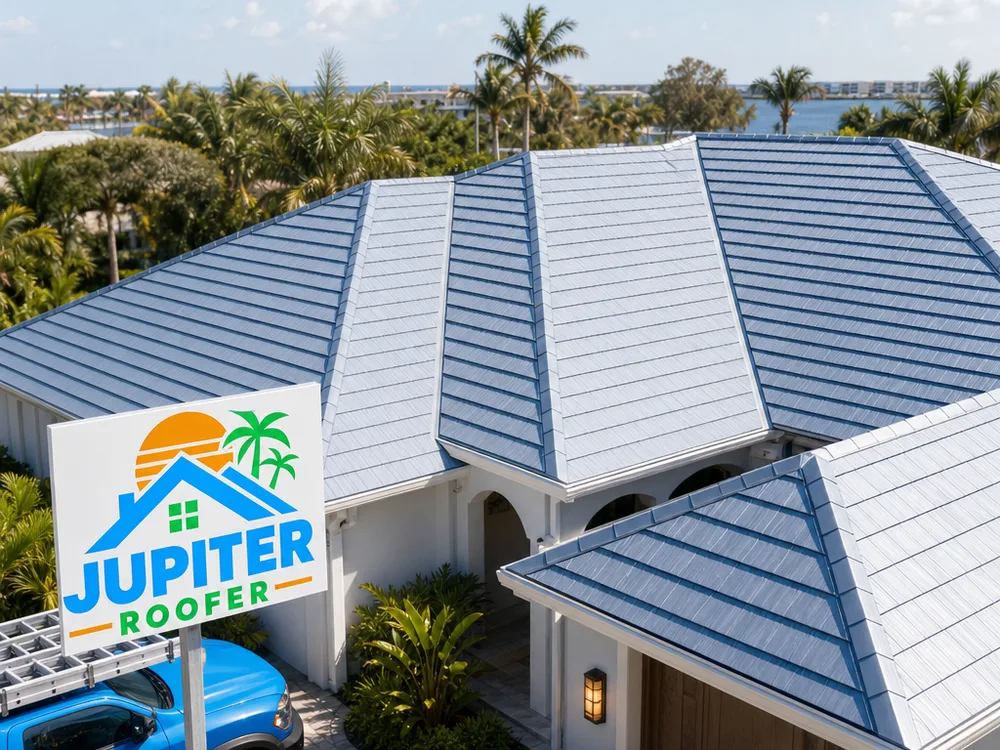
The better choice depends on roof slope, how many penetrations you have, and the look you want. Standing seam uses concealed clips or fasteners and typically has cleaner water-shedding lines, while exposed-fastener panels have visible screws and rely more heavily on maintaining washered fasteners over time. The contractor can recommend a system based on your roof geometry and exposure.
A metal roofing contractor should confirm the roof deck condition, the layout of valleys and wall transitions, and how ventilation is currently handled. In coastal Florida conditions, they also pay attention to the metal type and finish system because salt air can affect long-term performance if the wrong materials are used.
Sometimes metal can be installed over an existing roof, but it depends on the current roof type, local code requirements, and whether the deck and edges can be detailed correctly. Many homes still need a tear-off so damaged decking can be found and flashing can be rebuilt cleanly at eaves, rakes, and penetrations.
Leaks usually start at penetrations such as pipes and vents, transitions where a roof meets a wall, valleys, and poorly detailed edges—not through the field of the panels. That is why the contractor spends significant time on flashing design, underlayment choices, and how components overlap to move water down and out.
A full replacement is noisy and involves staging materials, removing the old roof, and protecting landscaping and access areas around the home. The contractor will explain how daily cleanup is handled, where materials will be placed, and what areas need to stay clear while the roof is open.
Useful details include the property type, any active leaking and where you see it inside, the approximate age of the current roof if known, and whether you are leaning toward standing seam or a metal shingle look. If you have HOA requirements or a specific color or profile in mind, mention that early.
Jupiter Roofer is a referral service that connects you with an independent local contractor who handles metal roofing projects in the area. You describe your roof once, then speak with the contractor directly about options, an onsite evaluation, and the quote. You decide whether to move forward.
If you are weighing standing seam, metal shingles, or a replacement timeline, describe what you have and what you want to change. We will connect you with a local Jupiter-area contractor who can take it from there.
Our local contractors cover Jupiter and nearby communities within roughly a 10-mile radius — including Juno Beach, Jupiter Island, Tequesta, Jupiter Farms, Abacoa, and The Bluffs.